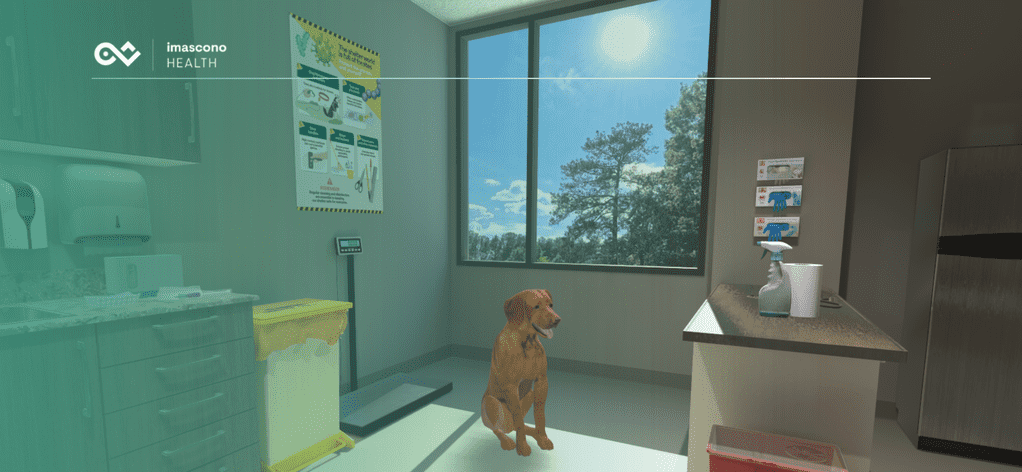
In the United States, caring for and adopting companion animals is a social priority driven both by the strong emotional bond between people and their pets and by the broader public health implications involved. One example of this community commitment is Athens Area Humane Society, a nonprofit organization based in Athens, Georgia, dedicated to rescuing, protecting, and rehoming abandoned and homeless animals.
Since its founding in 1989, the organization has become a leading institution in the southeastern United States, caring for thousands of animals each year, facilitating adoptions, providing basic veterinary services, and offering educational programs that promote responsible coexistence between people and pets.
Volunteer Training: A Critical Component in Animal Shelters
Behind every successful adoption is a team of dedicated individuals—many of them volunteers without prior medical or veterinary training. These teams are responsible for following strict hygiene, health control, and biosecurity protocols. When not properly applied, these procedures can contribute to the spread of contagious diseases such as parvovirus and other infections common in high-turnover shelter environments.
Ensuring that these protocols are implemented consistently, clearly, and effectively is essential not only for the health of the animals, but also for the safety of caregivers and the broader community interacting with the shelter.
To address this challenge, Imascono Health, the specialized health division of the technology company Imascono, developed the project VR Training: Infectious Diseases Prevention in Shelter for Athens Area Humane Society, with sponsorship from Boehringer Ingelheim Animal Health.
Boehringer Ingelheim is one of the world’s leading companies in innovation for the prediction, prevention, and treatment of animal diseases. With operations in more than 150 countries and a strong commitment to both animal and human well-being, the company supports initiatives that strengthen community health and preventive education.
Immersive Training Through Virtual Reality
The project consists of a Virtual Reality training experience specifically designed for volunteer onboarding in animal shelters. Through a practical and immersive simulation, users navigate a virtual environment that faithfully replicates the daily operations of a shelter. The experience focuses on hygiene routines, proper use of protective equipment, movement through sensitive areas, and decision-making in real-life scenarios.
This type of immersive training not only accelerates learning but also ensures that protocols are internalized more effectively, building confidence and competence from day one. As Leticia Arroyo, Health Division Manager at Imascono, explains: “With this VR training, volunteer onboarding becomes more impactful: they learn faster, internalize protocols sooner, and the entire experience becomes something unique and memorable.”
The value of this initiative lies in several key factors:
- High-quality training from the very beginning. Volunteers can practice essential routines before interacting with real animals, reducing mistakes, and improving operational effectiveness.
- Scalability. With nearly 10,000 volunteers each year, having a replicable digital training tool reduces dependence on in-person trainers and ensures consistent instruction across the organization.
- Clear protocols that protect animals and people. In environments where animals with diverse health backgrounds live in close proximity, proper implementation of preventive measures can make the difference between outbreaks and safe, healthy conditions.
- A more engaging and motivating approach. Traditional training often relies heavily on theory. This immersive experience transforms learning into an active, hands-on process that reinforces volunteer commitment to the shelter’s mission.
Imascono Health in the U.S.: Where Purpose Meets Technology
For Imascono Health, participating in a project like this in the United States is especially meaningful. First, it demonstrates how well-designed technology can improve critical processes with direct impact on animal welfare. Second, it strengthens our collaboration with organizations and initiatives across the U.S. ecosystem—delivering solutions that elevate training standards and prevention practices in real-world environments.
Projects like this show how innovation can serve as a tool for social inclusion and education, extending its impact beyond traditional technological boundaries. The Shelterproject is far more than a Virtual Reality training program. It is a practical, effective, and human-centered response to a critical need within animal shelters: equipping those who dedicate their time to caring for the most vulnerable.